ByJohn A
Organizing a Community Clean-Up Day: Clothing and Kit Guide
Community clean-ups are among the most satisfying volunteer events to run. In a single morning, a group of neighbors can transform a riverbank, a roadside verge, or a neglected park. They are also surprisingly demanding to organize. Volunteers arrive in all kinds of clothing, the weather rarely cooperates, and some of the work happens close to roads.
A little planning on the clothing side makes the day safer, more comfortable, and more enjoyable. This guide is for organizers of litter picks, beach cleans, park restoration days, and similar events.
Set Expectations Before the Day
Most problems with volunteer clothing can be solved with a clear message in advance. In the sign-up confirmation, tell people what to expect: where the event is, how long it lasts, what the ground is like, and what the weather forecast says.
Then give simple, specific advice:
- Wear old clothes that can get dirty or damp.
- Choose sturdy, closed shoes with good grip.
- Bring layers, since mornings can be cold and midday can be warm.
- Bring a refillable water bottle and, in summer, a hat and sunscreen.
Keep the message short. Volunteers are far more likely to follow three clear lines than a page of instructions.
Think About Where the Work Happens
A clean-up in a quiet woodland is very different from one along a busy road or a car park. Walk the site beforehand, ideally with a co-organizer, and note any areas near traffic, water, steep slopes, or uneven ground. Your risk assessment and the guidance of the landowner or local authority should shape the plan, and many councils offer advice or equipment for organized litter picks, so it is worth asking.
Visibility Near Roads and Car Parks
Where volunteers will work near moving vehicles, or at the edge of a road, being easy to see matters. Many organizers provide a shared bright outer layer so that every volunteer is recognizable, and so that team leaders can scan a group at a glance. Options such as High Visibility Jackets are often chosen for this because one consistent layer works over whatever people are already wearing. Confirm with your local authority or landowner what they require for work near roads, and check that any garment you buy is labeled for the purpose you intend.
Do Not Rely on Volunteers to Bring Their Own
Even if you ask people to wear bright clothing, many will not own anything suitable. A small stock of shared garments, kept in the event kit, prevents anyone from being turned away or left out. Collect and clean them after the event.
Layers for Changing Weather
Clean-ups happen in all seasons, often early in the morning. Volunteers work at a steady pace, bending, walking, and lifting, so they warm up quickly. The aim is clothing that is easy to adjust.
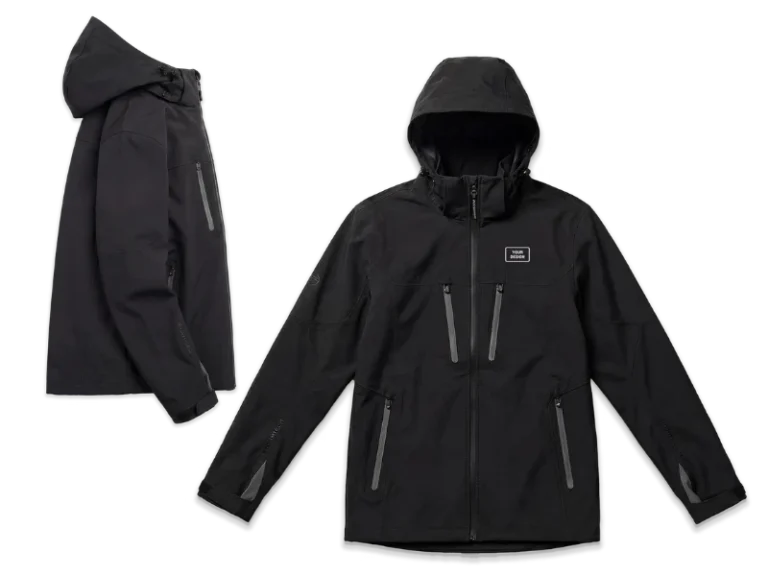
Encourage a breathable base, a warm mid-layer that can be tied around the waist, and a light shell for wind and showers. A packable windbreaker jacket suits this pattern well, because it can be stuffed into a bag when the sun comes out and pulled on again when a gust arrives at the shoreline. Look at the product description for what the garment is designed to cope with, and keep your guidance honest about its limits.
Gloves, Tools, and Other Essentials
Clothing is only part of the kit. Organizers usually need to provide or arrange:
- Gloves that suit the task, with spare pairs in several sizes.
- Litter pickers and bags, with a plan for separating recycling where relevant.
- A first aid kit and a named first aider.
- Hand-washing or sanitizing supplies for after the work.
- Sharps and hazard guidance, so volunteers know what not to touch and who to tell.
Follow the guidance of your local authority on safe handling of items such as broken glass, and brief volunteers before they start.
Run a Smooth Sign-In
Set up a registration table at the start. Record names and contact details, check that each person has read the safety briefing, and hand out gloves and any shared garments. A simple sign-out process at the end makes sure everyone, and every borrowed item, returns safely.
Brief the Group
A short briefing sets the tone. Explain the area, the plan for the morning, how to use the equipment, and where the meeting point is. Remind people to take breaks, stay with their group, and tell a team leader about anything unusual. Appoint a few confident volunteers as team leaders, and give each a clear area.
Look After People’s Comfort
Volunteers give their time freely, so small comforts matter. Offer water, a hot drink if the weather is cold, and somewhere to sit during breaks. Plan a finish time and stick to it. People are more likely to return if the day felt organized and respectful of their effort.
Close the Loop
Afterward, share what was achieved, such as the number of bags collected or the area cleared, using figures you have actually recorded. Thank volunteers publicly, and invite feedback on what could be better. Note what clothing and equipment ran short, so the next event starts better prepared.
Final Thoughts
A community clean-up works best when volunteers feel prepared and looked after. Give clear advice in advance, plan for visibility where roads are involved, encourage adaptable layers, and keep a small stock of shared kit. Comfortable volunteers do more, enjoy it more, and come back for the next one.