ByJohn A
Outerwear for Catering and Delivery Teams on the Move
Catering and food delivery work has a built-in temperature problem. A kitchen is hot, a loading ramp is cold, a van cab is somewhere in between, and a client’s doorstep might be windy, wet, or both. Staff cross these zones dozens of times a day, and the clothing that suits one often fails in another.
For owners of catering companies, ghost kitchens, bakeries, and delivery operations, the answer is a small, flexible outerwear plan that keeps people comfortable and still looks professional on arrival. This guide explains how to build one.
Why Outerwear Matters for Food Teams
Customers judge a food business partly by the person who arrives with the order. A tidy, consistent look suggests care and cleanliness, while a patchwork of mismatched, grubby jackets does the opposite. Comfort matters too: a driver who is shivering at the third drop-off is less patient, less careful, and less pleasant to deal with.
There is also a practical issue. Staff who sweat in a kitchen and then step into cold air can feel chilled very quickly. Layers they can add and remove in seconds help them manage that swing.
Map the Movement Pattern
Spend a shift watching how people actually move. Note the temperature in each zone, how long people spend in each, and how often they transition. Typical groups include:
- Kitchen and prep staff, who are hot indoors and only step outside briefly.
- Loading and van crews, who spend much of the shift outside or near open doors.
- Delivery riders and drivers, who face the weather directly.
- Event service staff, who work in changing venues, sometimes outdoors in marquees or gardens.
Each group needs a slightly different mix, so avoid assuming one garment fits all.
The Wind and Drizzle Layer
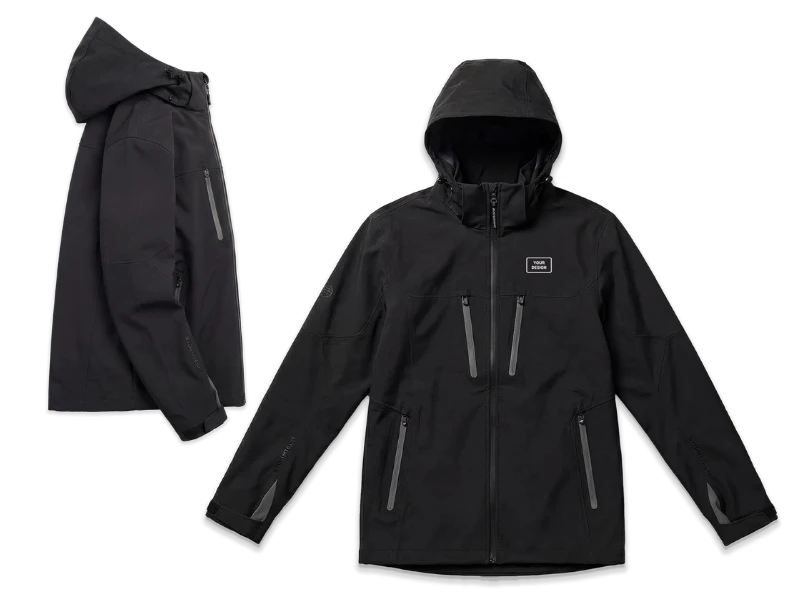
For people who go in and out all day, a light shell is the most useful piece. It goes on in seconds, packs into a bag or bin, and handles wind and light showers without trapping the heat that builds up during carrying and lifting.
Owners who equip a whole team, or several branches, often compare a wholesale windbreaker jacket supply because a single style in consistent sizes keeps the team looking uniform and makes replacements easy when someone joins, or a garment wears out. Ask the supplier about fabric, care instructions, and minimum quantities in writing, and have a few staff test samples on a real shift before you commit, rather than relying on assumptions about how a garment will cope with wet or greasy conditions.
Keep Food Hygiene in Mind
Outerwear worn outside should not be worn over food-handling clothing in preparation areas. Set a clear rule: outer layers come off before staff re-enter a prep zone, and there is a designated place to hang them. Follow the food hygiene rules that apply in your region.
The Warmth Layer for Still Moments
Some of the coldest moments come when people are not moving: waiting at a pick-up point, standing at a loading dock, or supervising a marquee entrance while guests arrive. A layer that keeps the core warm while leaving arms free is ideal, because staff still need to carry trays and open doors.
A puffer vest is a typical example, since it adds warmth where it matters and still lets staff move freely. It can be worn under a shell on the coldest days or alone when it is merely chilly. Check the product information for care and washing guidance, as garments worn around food and transport pick up marks quickly, and consider keeping a spare per person.
Make It Look Like a Team
A consistent appearance does not need to be elaborate. A few simple rules work well.
- Pick one or two main colors that suit your brand and hide minor marks.
- Add a small logo on the chest or sleeve rather than a large print.
- Specify what staff can wear underneath to keep the overall look tidy.
- Keep garments clean and pressed. A crumpled, stained jacket undoes the effect.
Ask your decorator for a digital proof, and view it on the real garment color before approving.
Handle Sizing and Turnover
Hospitality teams change often. Collect sizes at hiring, keep a modest buffer in common sizes, and track who holds what. When someone leaves, ask for their garments back so you can wash and reissue them. A short written policy about what the company supplies and what staff must return avoids awkward conversations.
Plan Care and Replacement
Food and delivery work is hard on clothing. Grease, spills, and frequent washing all take a toll. Provide care guidance, decide whether staff launder at home or the company handles it, and inspect garments each season. Replace anything worn or stained so the team always looks fresh.
Ask the Team
Staff will quickly tell you what works. Common complaints include sleeves that get in the way of trays, pockets that are awkward with gloves, and layers that feel too warm in the van. Short monthly check-ins cost nothing and keep small annoyances from becoming reasons to leave gear at home.
Final Thoughts
Catering and delivery teams live between hot and cold, indoors and out. Give them a light shell, a warm layer that keeps their arms free, and a consistent, tidy look. When staff are comfortable and presentable, customers feel it at the door.