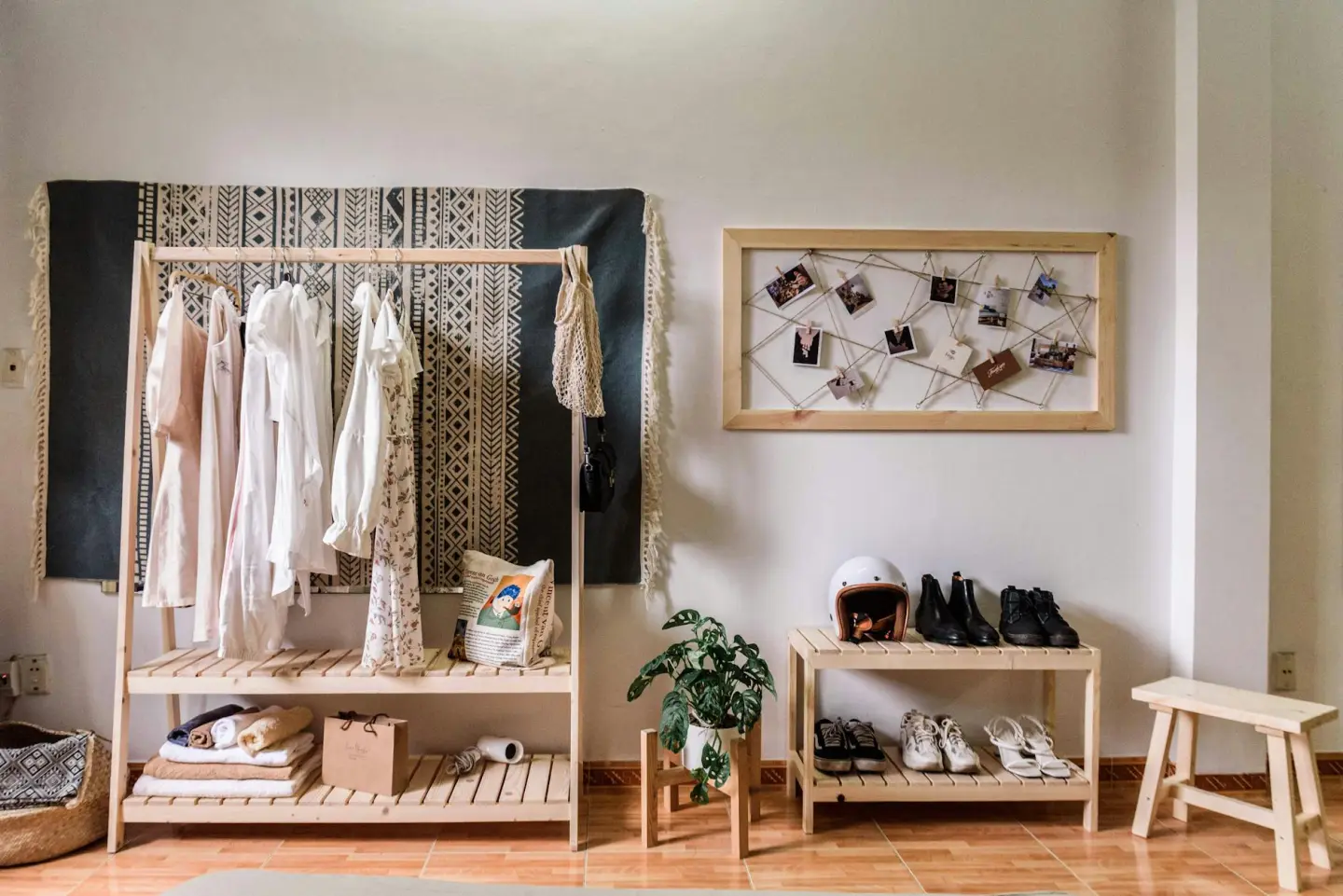

Managing a home while raising children can feel like a full time responsibility. Clothes need washing, meals need preparing, toys seem to appear everywhere, and important household items often become difficult to find. When parents also have work and personal commitments, keeping everything organized can feel challenging.
A well organized home does not have to look perfect. The purpose of organization is to make everyday activities easier, reduce unnecessary searching, and create a comfortable environment for everyone. A few simple systems can help families manage household responsibilities without spending the entire day cleaning.
Start With One Area at a Time
Trying to organize the entire house in one day can quickly become exhausting. Instead, choose one small area and complete it before moving to another.
You might begin with a kitchen drawer, a children’s bookshelf, or the entrance area. Remove items that are no longer useful, clean the space, and arrange the remaining belongings in a practical way.
Small projects are easier to complete and provide a sense of progress. Once one area becomes organized, it can motivate the family to improve other parts of the home.
Avoid removing everything from several rooms at once. This can create more clutter and make the project difficult to finish.
Create a Place for Everyday Belongings
Many household problems happen because everyday objects do not have a permanent location. Keys, shoes, bags, chargers, and school supplies can easily become scattered around the house.
Create a simple storage area near the entrance. Hooks can hold jackets and bags, while baskets can keep shoes and small accessories together.
Children can have their own labeled spaces for school items. This helps them learn where to put their belongings after returning home.
A similar approach works in other rooms. Keep remote controls near the television, frequently used kitchen tools in accessible drawers, and cleaning supplies in a safe and suitable storage area.
Make Storage Easy for Children to Use
Children are more likely to participate in organizing when storage systems are simple. High shelves, complicated boxes, and heavy containers may make it difficult for younger children to put things away independently.
Use accessible baskets for toys, books, and craft materials. Clear containers can help children recognize what belongs inside each one.
Labels with words or pictures can make the system easier to understand. For example, one basket can be used for building blocks, another for soft toys, and another for drawing supplies.
Encourage children to return items after playing. Keep the expectation realistic and offer guidance when needed.
Develop a Short Daily Cleaning Routine
A home does not need a complete cleaning every day. A short routine can help prevent small tasks from becoming overwhelming.
Families can spend a few minutes each evening returning items to their places, clearing kitchen surfaces, and preparing the living room for the next day.
Assign simple tasks according to age and ability. Younger children may collect toys, while older children can organize their study materials or help set the table.
A shared routine makes household responsibilities feel more manageable. It also teaches children that maintaining a home is a responsibility shared by family members.
Organize the Kitchen for Easier Meal Preparation
The kitchen often becomes one of the busiest areas in a family home. Organizing it properly can save time during cooking and cleaning.
Keep frequently used ingredients together and arrange pantry shelves so that older products are easy to identify. Use suitable containers for dry foods and label them when necessary.
Store cooking tools close to the areas where they are used. For example, keep cutting boards near the food preparation counter and frequently used utensils near the cooking area.
Planning a few meals ahead can also reduce kitchen stress. A shopping list based on planned meals helps prevent unnecessary purchases and makes grocery shopping more organized.
Reduce Paper and School Clutter
School papers, bills, permission forms, drawings, and household documents can quickly fill tables and drawers.
Create a simple paper management system. Use separate folders for school documents, household records, and items that require action.
Choose one location where incoming papers will be placed. Review this area regularly so that important documents do not get lost.
Children’s artwork can be displayed for a limited time before selected pieces are stored or photographed. This allows parents to preserve memories without keeping every sheet of paper.
Readers interested in more simple solutions for household responsibilities can find practical home and family organization ideas. Small improvements can help parents create routines that work with their family’s needs.
See also: The Role of Cloud Computing in Modern Businesses and Everyday Life
Use Weekly Planning to Reduce Stress
A weekly household plan can make responsibilities easier to manage. Write down important appointments, school activities, grocery shopping, cleaning tasks, and family commitments.
A shared calendar can help everyone understand what is happening during the week. Younger children may benefit from a visual schedule that shows school days, activities, and special events.
Do not fill every day with tasks. Leave space for rest, unexpected changes, and family time.
Planning should help reduce pressure rather than create a schedule that becomes impossible to follow.
Avoid Buying Storage Products Too Quickly
Storage containers and organizers can be useful, but purchasing them before sorting belongings may waste money.
First decide what needs to be kept, donated, recycled, or discarded. Then measure the available space and choose products that fit.
Use furniture with built in storage when it provides genuine value. A storage bench, suitable shelving unit, or drawer organizer can help make better use of available space.
The best storage system is one that household members can maintain easily.
Teach Children That Organization Is a Shared Habit
Children learn responsibility through regular practice. Parents can explain why items should be returned to their proper places and show how to complete simple household tasks.
Avoid expecting children to organize everything perfectly. Give them manageable responsibilities and appreciate their efforts.
Family members can also work together for a short weekly reset. Everyone can organize their own belongings, prepare school supplies, and help tidy shared spaces.
This creates a sense of teamwork and makes home organization less dependent on one person.
Final Thoughts
A more organized home is created through practical habits rather than constant cleaning. Giving everyday belongings a permanent place, involving children, planning household tasks, and improving one area at a time can make daily life easier.
Start with the spaces that cause the most frustration. Build simple systems and adjust them when family needs change. The goal is to create a comfortable home that supports everyday activities, not a perfect environment that requires endless effort.